What Is Y90 Radioembolization (Y90 Treatment for Liver Cancer)?
Y90 radioembolization is a minimally invasive treatment for liver cancer that combines embolization and targeted radiation therapy, without the need for open surgery. Embolization refers to the delivery of tiny particles into specific blood vessels using advanced imaging guidance. These particles are used to block blood flow and deliver treatment directly to tumors. Radiation is energy emitted by certain materials that can destroy cancer cells.
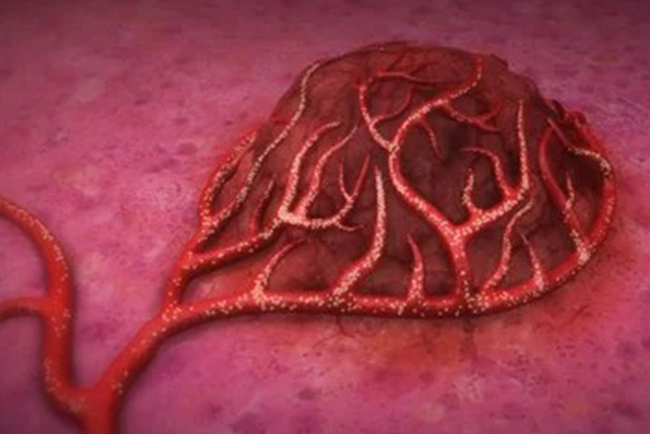
During the procedure, an interventional radiologist delivers microscopic radioactive beads, known as Y90 microspheres, into the arteries supplying the liver. These beads travel through the blood vessels and become lodged within the tumor. Once in place, they emit radiation that destroys nearby cancer cells. The radiation travels only a few millimeters, which helps protect surrounding healthy liver tissue.
Y90 radioembolization is one of the most extensively studied and effective liver cancer treatments available. It allows radiation to be delivered precisely where it is needed and has been successfully performed on thousands of patients worldwide. This treatment is also known as radioembolization, transarterial radioembolization (TARE), or selective internal radiation therapy (SIRT).
Why Is Y90 Radioembolization Needed?
Some liver tumors cannot be removed surgically, leaving patients with limited treatment options. In addition, liver cancer typically requires prompt treatment for the best outcomes. External beam radiation is often not suitable for liver tumors because it can damage healthy liver tissue.
Y90 radioembolization was developed as a targeted solution that delivers radiation directly to liver tumors while minimizing harm to normal liver tissue. This approach allows doctors to treat tumors that are otherwise difficult or impossible to manage with surgery or traditional radiation therapy.
Advantages
- Minimally invasive treatment with no open surgery required
- Targets liver tumors directly while preserving healthy liver tissue
- Suitable for patients who are not candidates for surgery or external radiation
- Short recovery time compared to traditional surgical treatments
- May improve survival rates and quality of life
FAQ
1. Am I a Candidate for Y90 Radioembolization??
Y90 radioembolization may be an appropriate treatment option for patients with liver cancer, particularly those who have not responded to other therapies. A thorough evaluation is required, including a consultation with a board-certified interventional radiologist.
Testing may include imaging studies such as CT scans or MRI, along with blood tests to assess liver and kidney function.
Y90 can be used to treat primary liver cancers, such as hepatocellular carcinoma and cholangiocarcinoma, as well as metastatic tumors that have spread to the liver from other parts of the body.
It is important to understand that Y90 is not a guaranteed cure and may not be suitable for everyone. Patients are encouraged to ask questions and fully understand the risks and benefits before proceeding.
2. How Should I Prepare for Y90 Radioembolization?
Several evaluations are required before treatment, including:
Office consultation with the care team
Blood tests to evaluate liver and kidney function
Angiogram
CT scan or MRI
Patients should inform their provider of all medical conditions and medications. Certain medications may need to be adjusted or temporarily stopped before the procedure. On the day of treatment, patients are instructed not to eat or drink for six hours prior to the appointment to allow for safe sedation.
3. What Should I Expect During the Procedure?
Y90 radioembolization is typically performed in two stages.
Stage 1: Mapping Angiogram
This procedure allows the physician to study the liver’s blood supply and plan safe delivery of the radioactive beads. A test dose is administered, and specialized imaging may be performed afterward.
Stage 2: Y90 Treatment Delivery
During this session, the Y90 microspheres are delivered directly into the arteries feeding the tumor to destroy cancer cells.
For each session, patients can expect the following:
Monitoring of vital signs throughout the procedure
Cleaning and sterilization of the wrist or groin access site
Administration of IV sedation to ensure comfort
Insertion of a small catheter into an artery in the wrist or groin
Imaging of the liver arteries using contrast material
Closure of small nearby arteries when needed to prevent particles from reaching other organs
Release of Y90 beads into the liver tumor
Removal of the catheter and closure of the access site
Discharge home one to two hours after completion
Most patients experience minimal discomfort. A brief warm sensation may occur when contrast is injected. Some patients feel mild liver discomfort after treatment, which is usually manageable with medication. If multiple tumors are present, additional treatment sessions may be required.
4. What Should I Expect During Recovery?
Most patients experience mild side effects. Fatigue is the most common and typically resolves within one week. A small number of patients may develop post-embolization syndrome, which can include nausea, vomiting, fever, or pain.
These symptoms are usually mild and last three to five days. Medications are provided as needed. Patients should contact their physician if symptoms persist longer than one week.
5. What Kind of Results Can I Expect?
Follow-up imaging and laboratory tests are usually performed several weeks after treatment to evaluate response. Many patients experience partial or complete tumor response.
While Y90 radioembolization is a treatment and not a cure, it can significantly improve outcomes. Some patients may become eligible for additional treatments such as surgery or liver transplantation in specific situations.
Studies show that 75 to 95 percent of patients experience tumor response and improved survival. Up to 95 percent of patients with colorectal liver metastases and 97 percent of patients with neuroendocrine tumors benefit from Y90 radioembolization.