What Is a Venoplasty Procedure?
Veins play a critical role in circulation by returning deoxygenated blood from the body back to the heart. Over time, veins can become narrowed, compressed, or blocked due to aging, scarring, or underlying vascular conditions. When this happens, normal blood flow is disrupted and can lead to pain, swelling, and chronic venous disease.
Venoplasty, also known as venous angioplasty or balloon venoplasty, is a minimally invasive procedure used to open narrowed or blocked veins. It is essentially the venous counterpart of arterial angioplasty and is performed by physicians trained in interventional radiology.
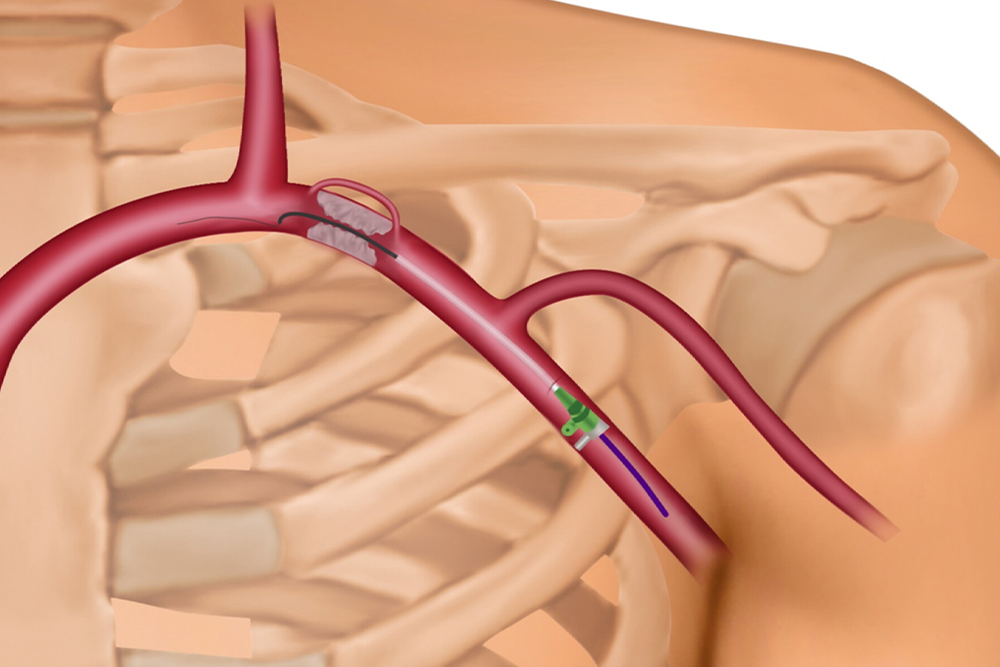
What Conditions Can Be Treated With Venoplasty?
Venoplasty is commonly used to treat venous conditions such as:
Chronic deep vein thrombosis
Post-thrombotic syndrome
May-Thurner syndrome
Iliac vein compression syndrome
Nutcracker syndrome
Venous outflow obstruction related to hemodialysis or arteriovenous fistulas
Venoplasty is not considered major surgery. It is typically performed on an outpatient basis, does not require general anesthesia, and involves minimal scarring and downtime. Overall risks are low when performed by experienced providers.
Types of Fibroids
Intramural Fibroids
Common type, grow within the muscular wall of the uterus, causing uterine enlargement.
Subserosal Fibroids
Create a bulge and pressure on surrounding organs on the uterus’s outer surface.
Submucosal Fibroids
Develop beneath the inner lining, protruding into the uterine cavity, leading to heavy menstrual bleeding.
Pedunculated Fibroids
Grow on a stalk inside or outside the uterus, causing symptoms based on location.
Symptoms of Uterine Fibroids
Menstrual Irregularities
Weighty and prolonged periods, longer or more frequent menstrual cycles, pelvic pressure or pain during periods.
Urinary and Digestive Issues
Frequent urination, difficulty emptying the bladder, constipation
Abdominal Changes
Growing stomach area
Pain and Discomfort
Pain in the stomach area or lower back, discomfort during sexual intercourse.
Serious Complications (Rare)
Sudden, severe pain if fibroids outgrow their blood supply and begin to die.
Benefits vs Risks
Like all medical procedures, venoplasty has both benefits and potential risks.
Benefits
- Minimally invasive procedure with no large incisions or stitches
- No need for general anesthesia in most cases
- Quick recovery, with many patients resuming normal activities within 24 hours
- Low risk of infection and complications
- Minimal blood loss and discomfort
Risks
- Bruising at the puncture site
- Risk of vein re-narrowing, which may occur in some patients even with stent placement
- Blood clot formation around a stent
- Bleeding at the access site, rarely requiring further treatment
- Kidney injury from contrast dye in patients with existing kidney disease
FAQ
1. What to Expect During a Venoplasty Procedure?
What to Expect During a Venoplasty Procedure
2. How to Prepare for Venoplasty?
During your consultation at Vascular and Interventional Partners in Phoenix, Arizona, your care team will provide detailed preparation instructions.
Your medical history will be reviewed, and blood tests or imaging studies may be ordered to ensure the procedure is appropriate for you. You should inform your physician of all medications and supplements you are taking.
You may be asked to temporarily stop blood-thinning medications or supplements such as aspirin, warfarin, or vitamin E. You will also need to avoid eating or drinking the night before the procedure and arrange for someone to drive you home afterward.
3. What is the difference between venoplasty and angioplasty?
Angioplasty is a general term used to describe procedures that use a balloon to open narrowed blood vessels. Venoplasty is a type of angioplasty specifically performed on veins rather than arteries. For this reason, it is also commonly referred to as venous angioplasty.
4. How successful is venoplasty?
Success rates for venoplasty vary depending on the underlying condition being treated and individual patient factors. In most cases, technical success rates are high, and failure rates are typically below 10 percent.
5. Does venoplasty hurt?
Venoplasty is generally well tolerated. Sedation and local anesthesia are used to minimize discomfort during the procedure. Some patients may feel a dull pressure or mild aching at the catheter insertion site or in the treated vein while the balloon is inflated. After the procedure, the area may feel sore for a short time, but sharp or severe pain is uncommon.
6. Is venoplasty safe?
Yes. Venoplasty is considered a safe procedure when performed by experienced interventional radiologists. As with any angioplasty, potential complications can occur, including prolonged bleeding, allergic reactions to contrast dye, or kidney issues in patients with underlying kidney disease. These risks are uncommon and are carefully monitored by the medical team.