What Is a Varicocele?
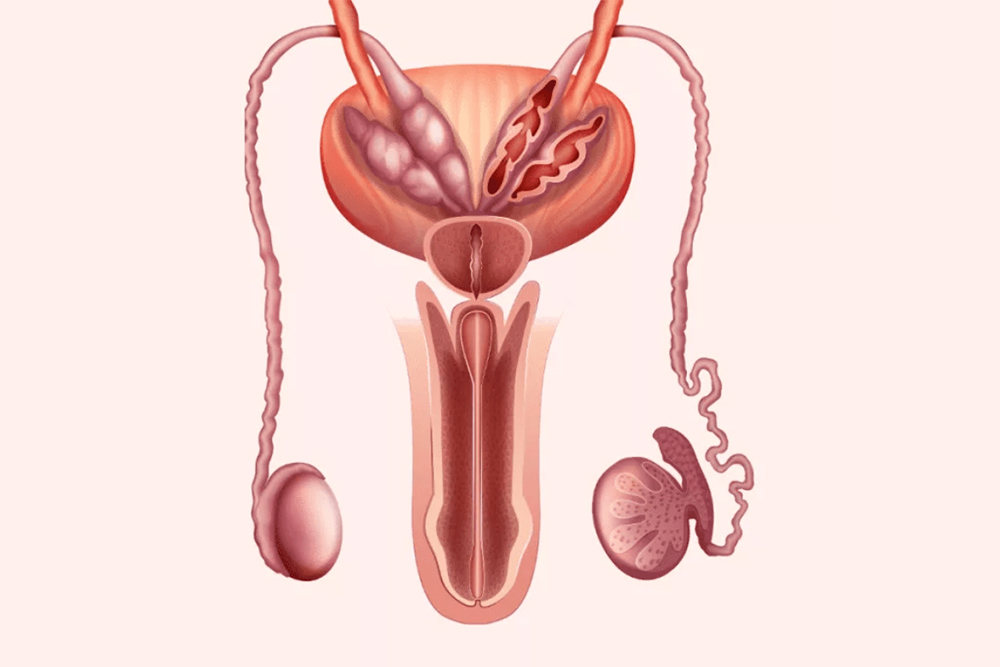
A varicocele is the presence of enlarged, varicose veins within the scrotum. More specifically, it occurs when the pampiniform plexus, a network of veins within the spermatic cord, becomes enlarged and dilated. Varicoceles may cause discomfort and are the leading cause of male infertility, affecting approximately 15 to 20 percent of men. In addition to fertility concerns, varicoceles can impair normal testicular function and may lead to reduced testosterone production.
In about 90 percent of cases, varicoceles affect the left testicle.
What Is Varicocele Embolization?
Varicocele embolization is a nonsurgical interventional radiology procedure used to treat varicoceles by blocking abnormal blood flow.
During the procedure, an interventional radiologist makes a small puncture, usually near the upper thigh, and inserts a catheter into a blood vessel. Using X-ray guidance, the catheter is advanced to the affected veins, where small coils or particles known as embolic agents are placed to block the faulty vessels. These coils are commonly made of platinum or other medical-grade metals.
Once the abnormal veins are closed, blood is redirected through healthy veins, preventing pooling and reducing pressure in the scrotum.
Most patients can return to work within two days and resume exercise after approximately ten days. Varicocele embolization and surgery have similar success rates of about 90 percent, but embolization offers a faster recovery and fewer risks.
Men who are not candidates for surgery are often suitable candidates for embolization. The most appropriate treatment option should be determined in consultation with a medical specialist.
Benefits vs Risks
Like all medical procedures, varicocele embolization involves both benefits and potential risks.
Benefits
- Minimally invasive treatment with no large incisions, stitches, or general anesthesia
- Rapid recovery, typically within two days to one week
- Comparable success rates to surgical treatment with fewer complications
- Low recurrence rate, occurring in approximately 10 percent of treated patients
Risks
- Small risk of infection
- Temporary inflammation of the scrotum or veins
- Bruising at the access site or scrotum, which usually resolves within a few weeks
- Allergic reaction to contrast material or sedative medications
- Rare injury to surrounding tissue if embolic material migrates
Treatments for Benign Prostatic Hyperplasia (BPH)
The management of Benign Prostatic Hyperplasia (BPH) aims to alleviate symptoms and improve the quality of life. Treatment options vary based on the severity of symptoms, overall health, and patient preferences. Common approaches include:
- Watchful Waiting or Active Surveillance: Monitoring the condition without immediate intervention, particularly in cases with mild symptoms or where symptoms are not significantly impacting daily life.
- Lifestyle Modifications: Implementing changes such as limiting fluid intake before bedtime, avoiding caffeine and alcohol, and practicing timed voiding to manage urinary symptoms.
Medications
- Alpha-Blockers: Relax muscles in the prostate and bladder neck, improving urine flow.
- 5-Alpha Reductase Inhibitors: Reduce the size of the prostate gland by inhibiting the production of dihydrotestosterone (DHT).
- Combination Therapy: Using both alpha-blockers and 5-alpha reductase inhibitors for enhanced symptom relief.
Minimally Invasive Procedures
Transurethral Microwave Thermotherapy (TUMT)
Uses microwaves to heat and destroy excess prostate tissue.
Transurethral Needle Ablation (TUNA)
Delivers radiofrequency energy to heat and shrink prostate tissue.
Transurethral Resection of the Prostate (TURP)
Surgical removal of excess prostate tissue using a resectoscope inserted through the urethra.
Laser Therapy
Laser Enucleation of the Prostate (HoLEP)
Uses lasers to remove prostate tissue.
Photoselective Vaporization of the Prostate (PVP)
Vaporizes excess prostate tissue.
Prostatic Urethral Lift (UroLift)
Inserting implants to lift and hold the enlarged prostate tissue, relieves compression on the urethra.
Open Prostatectomy
Reserved for extremely enlarged prostates, involves the surgical removal of excess prostate tissue through an abdominal incision.
* The choice of treatment depends on factors such as the severity of symptoms, the size of the prostate, overall health, and patient preferences. A healthcare provider will discuss the available options and tailor the treatment plan to address the specific needs of each individual.
FAQ
1. Who Is a Candidate for Varicocele Embolization?
Adult men diagnosed with symptomatic varicocele may be good candidates for varicocele embolization. Before recommending this procedure, your physician will review your medical history and perform appropriate examinations to ensure there are no conditions that would make embolization unsafe or ineffective.
2. How Long Does Varicocele Embolization Take?
The procedure itself typically takes less than one hour to complete. Additional time is required for preparation and recovery, but most patients are able to return home the same day.
3. Is Varicocele Embolization Better Than Surgery?
Not necessarily. Varicocele embolization is less invasive and generally associated with fewer risks and faster recovery. However, more severe or complex cases may be better treated with surgical options such as varicocelectomy. The best treatment approach depends on individual anatomy, symptoms, and fertility goals.
4. How Successful Is Varicocele Embolization?
Varicocele embolization has a success rate comparable to surgical treatment, at approximately 90 percent. Most men experience a reduction in pain following treatment, and many see mild to moderate improvement in fertility parameters.
5. Does Varicocele Embolization Affect Testosterone Levels?
Men with varicocele may have slightly reduced testosterone levels, even if those levels remain within the normal range. Treatment has been shown to improve testosterone levels in more than 80 percent of men.
6. Can Varicocele Embolization Cause Erectile Dysfunction?
No. Varicocele embolization does not cause erectile dysfunction. In rare cases where varicocele-related testosterone reduction contributes to erectile dysfunction, treatment may actually lead to improvement.