What Is Transvenous Obliteration?
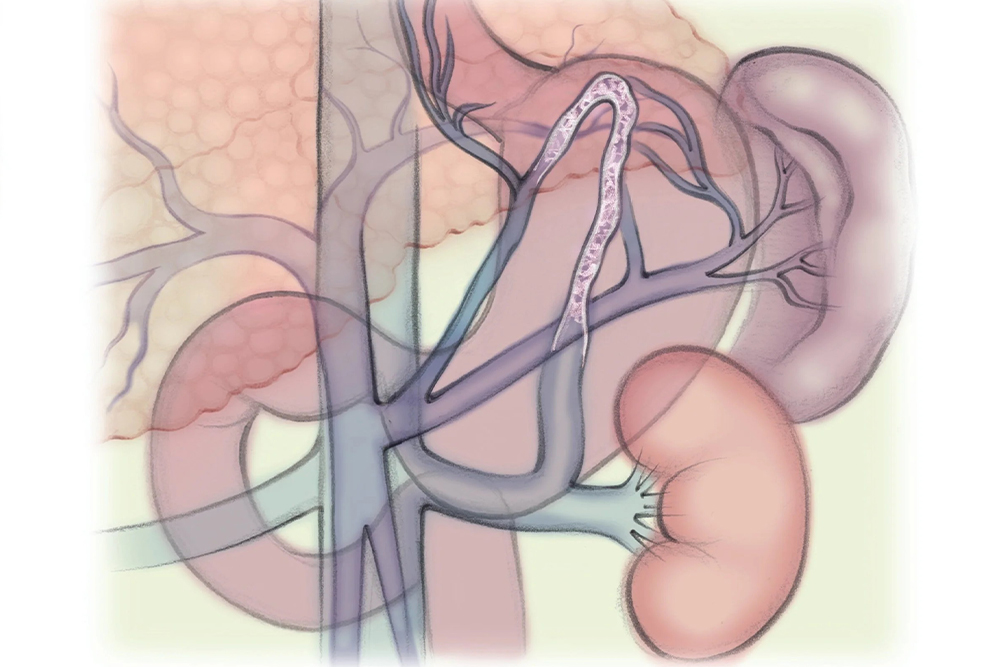
Transvenous obliteration is a minimally invasive interventional radiology procedure used to treat varices in the stomach and liver. These varices develop when normal blood flow through the liver is disrupted by scarring or clot formation, leading to portal hypertension, which is elevated blood pressure within the portal venous system.
One of the most serious complications of portal hypertension is gastric variceal bleeding. When gastric varices rupture, they can cause life-threatening bleeding. Transvenous obliteration works by blocking abnormal blood flow within these varices, allowing them to collapse and preventing further bleeding.
This procedure is often used as an alternative or complementary treatment to transjugular intrahepatic portosystemic shunt procedures, particularly in patients with gastric varices that are difficult to control with other methods.
What Conditions Does Transvenous Obliteration Treat?
Transvenous obliteration is primarily used to treat gastric varices. It may also be used to manage other conditions involving abnormal blood vessels related to liver disease, including:
- Gastric variceal bleeding
- Esophageal varices in select cases
- Hepatic encephalopathy
- Abnormal venous shunts such as gastrorenal shunts
- Hepatic venous outflow obstruction, including Budd-Chiari syndrome
Hepatic encephalopathy is a condition that affects brain function as a result of impaired liver detoxification. In some patients, transvenous obliteration can reduce symptoms by eliminating abnormal blood flow that bypasses the liver.
Although TIPS has traditionally been the primary treatment for uncontrolled gastric varices, recent studies suggest that transvenous obliteration may be more effective and less invasive for selected patients. Unlike TIPS, which may not completely eliminate gastric varices, transvenous obliteration can fully eradicate them in many cases.
Types of Fibroids
Intramural Fibroids
Common type, grow within the muscular wall of the uterus, causing uterine enlargement.
Subserosal Fibroids
Create a bulge and pressure on surrounding organs on the uterus’s outer surface.
Submucosal Fibroids
Develop beneath the inner lining, protruding into the uterine cavity, leading to heavy menstrual bleeding.
Pedunculated Fibroids
Grow on a stalk inside or outside the uterus, causing symptoms based on location.
Symptoms of Uterine Fibroids
Menstrual Irregularities
Weighty and prolonged periods, longer or more frequent menstrual cycles, pelvic pressure or pain during periods.
Urinary and Digestive Issues
Frequent urination, difficulty emptying the bladder, constipation
Abdominal Changes
Growing stomach area
Pain and Discomfort
Pain in the stomach area or lower back, discomfort during sexual intercourse.
Serious Complications (Rare)
Sudden, severe pain if fibroids outgrow their blood supply and begin to die.
Benefits of Transvenous Obliteration
Transvenous obliteration does not require large incisions, stitches, or general anesthesia. The procedure is performed using small catheters inserted through blood vessels, making it less invasive than surgical options. Additional benefits include:
- Minimally invasive treatment option
- Effective control and elimination of gastric varices
- Can be used as an alternative to or in combination with TIPS
- Preserves liver function by redirecting blood flow appropriately
- Improved liver perfusion, which may benefit patients with cirrhosis
- Lower risk of complications compared to open surgical procedures
FAQ
1. How Should I Prepare for My Procedure?
Your physician will provide detailed instructions to help you prepare for your transvenous obliteration procedure. Preparation may include avoiding food and drink for a specified period before your appointment. You may also be asked to temporarily stop certain medications, particularly blood thinners, to reduce the risk of bleeding. It is important to follow all instructions carefully to ensure the safest procedure and best possible outcome.
2. What Is the Treatment Process Like?
Transvenous obliteration involves injecting an embolic agent into abnormal veins to stop or prevent gastric variceal bleeding. The procedure is performed under X-ray guidance using a catheter that is inserted through a vein in the neck or groin. The embolic agent is delivered directly to the varices, causing them to shrink and eventually close off. This procedure is typically performed using local anesthesia and does not usually require a hospital stay.
In some cases, a variation known as balloon-occluded retrograde transvenous obliteration (BRTO) is used. BRTO employs a balloon-tipped catheter to temporarily block blood flow at the site of the varices before injecting the embolic agent. This technique is particularly useful for treating gastric varices that are difficult to reach with standard transvenous obliteration. BRTO is usually performed under sedation or general anesthesia and often requires an overnight hospital stay for monitoring.
3. How Long Is the Recovery After Transvenous Obliteration?
Transvenous obliteration is generally performed on an outpatient basis, and most patients are able to return home within a few hours after the procedure. Mild pain or discomfort at the treatment site is common but typically short lived. Patients are usually advised to avoid strenuous activity for a few days, although normal daily activities can often be resumed quickly with minimal downtime.
4. What Are the Risks of Transvenous Obliteration?
Transvenous obliteration is considered a safe and effective treatment, but as with any medical procedure, potential risks exist. These may include bleeding, infection, blood clots, or movement of embolic materials. Your physician will review these risks with you in detail before the procedure and provide clear post-procedure care instructions to minimize complications and support recovery.