What Is a TIPS Revision?
A TIPS revision is a minimally invasive procedure performed to correct complications that may develop after a TIPS procedure. TIPS stands for transjugular intrahepatic portosystemic shunt, an artificial channel created within the liver to connect the portal vein to a hepatic vein. This shunt is used to treat portal hypertension, a common and serious complication of liver cirrhosis.
While TIPS procedures are highly effective and have strong success rates, some patients may experience complications over time that require revision to restore proper function or manage side effects.
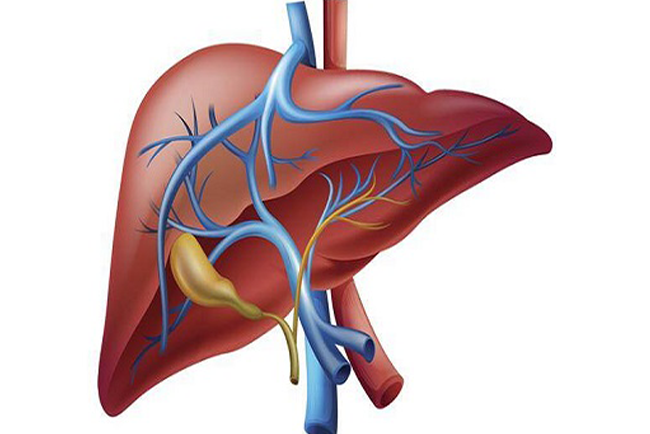
Risk Factors for Portal Hypertension
- Cirrhosis (Liver Scarring)
- Hemochromatosis
- Congestive Heart Failure
- Arteriovenous Malformations (AVMs)
- Hypercoagulable States
Why You May Need a TIPS Revision
The most frequent reasons for a TIPS revision include narrowing, blockage, or clot formation within the shunt, as well as poor blood flow near the hepatic vein end of the TIPS. These issues can often be corrected with angioplasty, thrombectomy, or additional stent placement.
Your doctor may recommend a TIPS revision if imaging studies—such as ultrasound—show signs of shunt dysfunction, or if symptoms of portal hypertension return. These symptoms may include gastrointestinal bleeding, fluid accumulation in the abdomen (ascites), or confusion related to hepatic encephalopathy.
Advancements in stent technology over recent decades have significantly reduced TIPS-related complications. However, issues can still occur and should be evaluated and treated promptly by an experienced interventional specialist to ensure the best possible outcome.
Common Types of TIPS Revision Procedures
A TIPS revision may involve one or more of the following minimally invasive techniques:
Balloon Angioplasty
To restore or improve blood flow, a catheter is inserted through a vein in the neck and guided into the TIPS shunt. A specialized balloon is then inflated to widen the narrowed portion of the shunt.
Additional Stent Placement
In some cases, placing an additional stent is necessary to optimize blood flow through the shunt. The stent is positioned precisely and expanded using a balloon to ensure proper function.
Thrombectomy
If a blood clot forms within the TIPS, the physician can use specialized catheters, balloons, and medications to remove the clot and reestablish normal blood flow.
TIPS Reduction
Excessive blood flow through the shunt can lead to hepatic encephalopathy, a condition that affects brain function. In such cases, the shunt may be narrowed using specialized devices to reduce flow. In rare and severe situations, the TIPS may be partially or completely closed.
Diagnoses of Portal Hypertension
Endoscopy
Uses a camera in the gastrointestinal tract to detect variceal bleeding.
Abdominal Ultrasound
Imaging to visualize the abdominal organs and blood vessels.
Hepatic Venous Pressure Gradient (HVPG)
Measures the pressure within the portal system.
CT or MRI Scans
Provides detailed images of the abdominal area.
* Additional tests may include platelet level assessments, liver function tests, liver biopsy, and angiography to pinpoint the underlying causes and related conditions.
FAQ
1. Why Can a TIPS Become Blocked?
A TIPS can become blocked for several reasons, most commonly due to blood clot formation within the shunt or narrowing of the blood vessels near the shunt. Advances in stent technology, particularly the use of polytetrafluoroethylene (PTFE)-covered stents, have significantly reduced these risks. With modern stents, more than 70% of TIPS remain fully functional two years after placement.
2. How Do I Know If There Is a Problem With My TIPS?
Routine monitoring is essential after a TIPS procedure. Your doctor may recommend periodic ultrasound examinations or other imaging studies to assess blood flow through the shunt and detect narrowing or blockage early. Recurrence of portal hypertension symptoms can also indicate a problem. Common warning signs include the return of abdominal or chest fluid accumulation, ascites or pleural effusion, or new episodes of gastrointestinal bleeding.
3. What Happens During a TIPS Revision?
A TIPS revision is typically performed under sedation or, in some cases, general anesthesia. During the procedure, your provider creates a small access point in a vein in the neck and uses ultrasound and imaging guidance to advance a catheter through the veins to the shunt. A balloon may be inflated to widen the narrowed area, and an additional stent may be placed if needed to keep the shunt open. In certain complex cases, direct access to the portal vein through the abdomen may be required.
4. How Long Does a TIPS Revision Take?
Most TIPS revision procedures take approximately two to three hours, depending on the complexity of the case and how easily the shunt can be accessed. Because the procedure is often performed on an outpatient basis, many patients are able to return home the same day.
5. How Successful Is a TIPS Revision?
TIPS revisions have a very high technical success rate, approaching 100% in most cases. However, patients who require a parallel TIPS may be at a higher risk for future shunt occlusion and may need additional revisions over time.
6. What Happens If a TIPS Revision Is Not Successful?
If a standard TIPS revision is unsuccessful and a parallel TIPS cannot be safely created, your care team may consider a transcaval TIPS. This technique uses an alternative access route to place a new shunt and restore blood flow.
7. Can a TIPS Be Removed?
In most cases, a TIPS cannot be removed. Over time, scar tissue forms around the shunt, making removal difficult and unsafe. However, if necessary, the TIPS can be intentionally narrowed or completely occluded to reverse its effects and manage complications.