What is Transarterial Chemoembolization?
Transarterial chemoembolization, commonly referred to as TACE, is a minimally invasive, nonsurgical treatment used to manage certain types of liver cancer, including hepatocellular carcinoma. It is also an effective option for cancers that originate elsewhere in the body and spread to the liver.
The primary goals of TACE are to control tumor growth, reduce symptoms, and improve survival outcomes for patients with liver cancer. In some cases, TACE is used as a bridge therapy to slow disease progression in patients who are awaiting liver transplantation.
TACE may be performed as a standalone treatment or in combination with other cancer therapies, such as radiation therapy, systemic chemotherapy, tumor ablation, or surgery, depending on the patient’s condition and treatment plan.
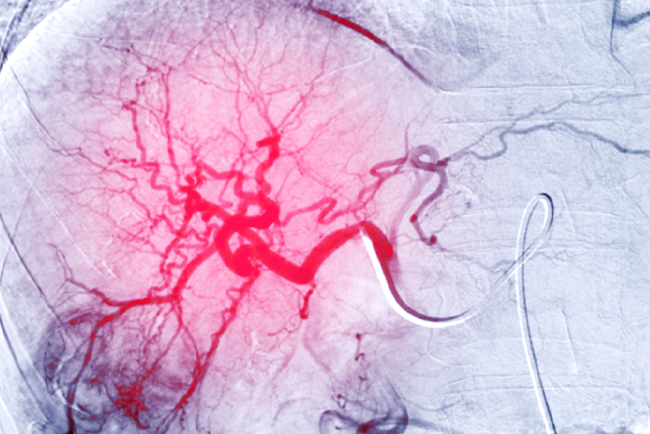
Benefits of Transarterial Chemoembolization
- Minimally invasive treatment option for liver cancer
- Directly blocks blood supply to liver tumors
- Preserves healthy liver tissue
- Reduces systemic exposure to chemotherapy
- Fewer chemotherapy-related side effects
- Allows delivery of higher, more concentrated doses of cancer-fighting drugs
- Chemotherapy remains localized in the liver rather than circulating throughout the body
- Can be combined with other cancer treatments such as ablation, radiation therapy, or surgery
Aftercare and Recovery
Following TACE, mild tenderness or swelling at the groin access site is common. Some patients develop post-embolization syndrome, which may include abdominal pain, nausea, fever, and fatigue. These symptoms are usually temporary and can be managed with prescribed medications.
Chemotherapy-related effects may last longer and can include fatigue, mouth soreness, hair thinning, or reduced white blood cell counts. Patients should seek immediate medical attention if they experience worsening pain, shortness of breath, jaundice, cold limbs, or significant swelling, as these may indicate complications.
Most patients can resume normal daily activities within one week. Follow-up appointments and imaging studies, such as CT scans or MRI, are important to assess treatment effectiveness. In some cases, additional TACE treatments may be recommended if tumor control is needed and the patient remains medically eligible.
FAQ
1. Is TACE Painful?
Transarterial chemoembolization is generally well tolerated. Local anesthesia is used, often along with intravenous sedation, to ensure patient comfort. In some cases, general anesthesia may be required. Patients may feel mild pressure when the catheter is inserted into the groin. A brief warm sensation can occur when contrast material is injected for imaging, but this sensation typically resolves quickly.
2. Does TACE Harm Healthy Liver Tissue?
Most healthy liver tissue receives its blood supply from the portal vein, while liver tumors depend largely on the hepatic artery. As long as portal vein blood flow is adequate, TACE causes minimal damage to healthy liver tissue while effectively targeting tumors. The treatment dose is carefully calculated to maximize impact on cancer cells while preserving normal liver function.
3. What Are Embolic Agents?
Embolic agents are tiny particles that are injected into blood vessels to block blood flow. In liver cancer treatment, these agents cut off oxygen and nutrient supply to tumors and help keep chemotherapy localized at the treatment site, enhancing effectiveness while reducing systemic exposure.
Embolic agents are tiny particles that are injected into blood vessels to block blood flow. In liver cancer treatment, these agents cut off oxygen and nutrient supply to tumors and help keep chemotherapy localized at the treatment site, enhancing effectiveness while reducing systemic exposure.
4. What Are the Risks of TACE?
TACE is generally safe, but as with any medical procedure, risks exist. There is a small possibility that embolic agents could travel to unintended areas and reduce blood flow to healthy tissue. To minimize this risk, advanced imaging is used to map the liver’s blood vessels before treatment.
Other rare risks include infection, blood clots, kidney injury, liver dysfunction, and side effects related to chemotherapy such as nausea or pain. Prior to treatment, your physician will review your overall health, liver function, and potential side effects to determine whether TACE is an appropriate option for you.
5. Is Transarterial Chemoembolization Right for Me?
TACE is commonly recommended for patients with intermediate-stage hepatocellular carcinoma and other liver cancers who are not candidates for surgery. It is one of the most widely used treatments to control tumor growth in these cases.
Depending on the type and stage of cancer, TACE may be combined with other therapies for optimal results. Your doctor will evaluate your overall health and may order imaging studies and liver function tests to determine whether transarterial chemoembolization is an appropriate treatment option for you.