Overview
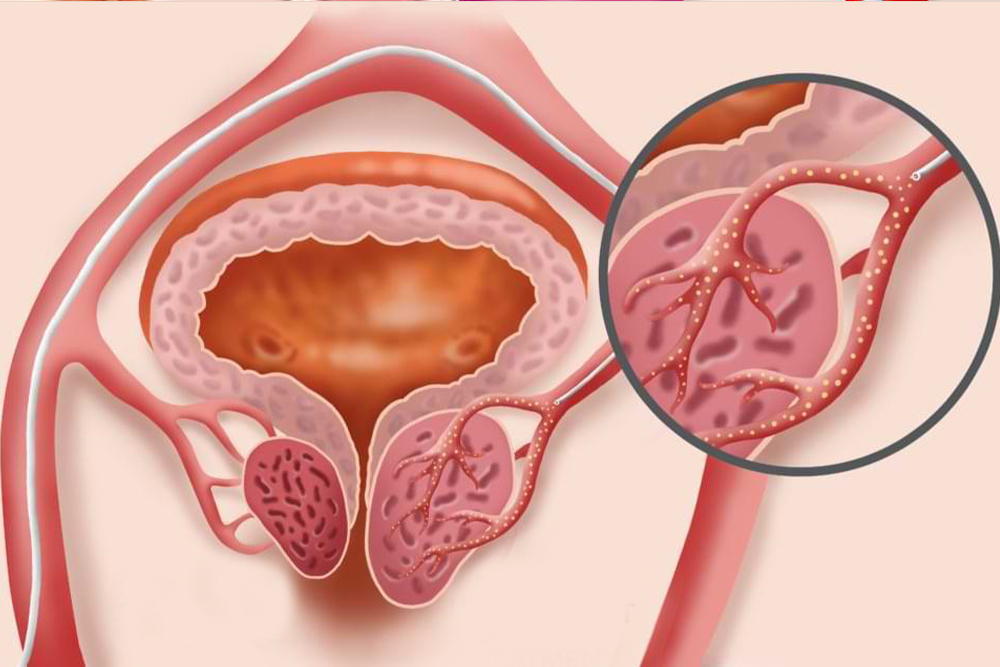
Prostate artery embolization (PAE) is a minimally invasive procedure for treating benign prostatic hyperplasia (BPH).
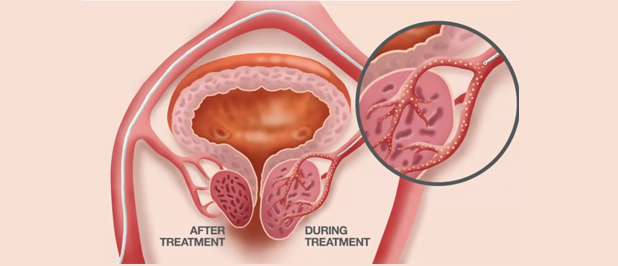
Dr. Hosni regularly performs prostate artery embolization as a specialized interventional radiology treatment. As an alternative to more invasive surgical procedures, PAE is typically performed on an outpatient basis. This minimally invasive approach involves fewer risks and allows for a faster recovery. It helps relieve urinary symptoms and discomfort by reducing blood flow to the arteries supplying the enlarged prostate.
What Is Benign Prostatic Hyperplasia?
The prostate is a small, walnut-shaped gland in men, located in the pelvis and surrounding the urethra, the tube that carries urine from the bladder out of the body.
Benign prostatic hyperplasia (BPH), also known as prostate gland enlargement, is a noncancerous increase in the size of the prostate. It is not prostate cancer. As the prostate enlarges, it can compress the urethra, leading to urinary and, in some cases, ejaculatory difficulties.
Benefits vs Risks
Like most medical procedures, prostate artery embolization (PAE) involves both benefits and potential risks. Understanding both can help patients make informed treatment decisions.
Benefits
- Minimally invasive, same-day outpatient procedure
- Short recovery period, typically ranging from four to ten days
- Comparable success rates to surgical treatments, with fewer overall risks
- Low risk of sexual side effects, including urinary incontinence and retrograde ejaculation
- No need for a urinary catheter following the procedure
Risks
- Infection at the puncture site or within the prostate
- Temporary irritation of the bladder and surrounding tissues
- Post-PAE syndrome, which may include fever, digestive discomfort, pelvic pain, or painful or frequent urination
- Temporary presence of blood in the urine or stool following the procedure
- Bladder spasms
Treatments for Benign Prostatic Hyperplasia (BPH)
The management of Benign Prostatic Hyperplasia (BPH) aims to alleviate symptoms and improve the quality of life. Treatment options vary based on the severity of symptoms, overall health, and patient preferences. Common approaches include:
- Watchful Waiting or Active Surveillance: Monitoring the condition without immediate intervention, particularly in cases with mild symptoms or where symptoms are not significantly impacting daily life.
- Lifestyle Modifications: Implementing changes such as limiting fluid intake before bedtime, avoiding caffeine and alcohol, and practicing timed voiding to manage urinary symptoms.
Medications
- Alpha-Blockers: Relax muscles in the prostate and bladder neck, improving urine flow.
- 5-Alpha Reductase Inhibitors: Reduce the size of the prostate gland by inhibiting the production of dihydrotestosterone (DHT).
- Combination Therapy: Using both alpha-blockers and 5-alpha reductase inhibitors for enhanced symptom relief.
Minimally Invasive Procedures
Transurethral Microwave Thermotherapy (TUMT)
Uses microwaves to heat and destroy excess prostate tissue.
Transurethral Needle Ablation (TUNA)
Delivers radiofrequency energy to heat and shrink prostate tissue.
Transurethral Resection of the Prostate (TURP)
Surgical removal of excess prostate tissue using a resectoscope inserted through the urethra.
Laser Therapy
Laser Enucleation of the Prostate (HoLEP)
Uses lasers to remove prostate tissue.
Photoselective Vaporization of the Prostate (PVP)
Vaporizes excess prostate tissue.
Prostatic Urethral Lift (UroLift)
Inserting implants to lift and hold the enlarged prostate tissue, relieves compression on the urethra.
Open Prostatectomy
Reserved for extremely enlarged prostates, involves the surgical removal of excess prostate tissue through an abdominal incision.
* The choice of treatment depends on factors such as the severity of symptoms, the size of the prostate, overall health, and patient preferences. A healthcare provider will discuss the available options and tailor the treatment plan to address the specific needs of each individual.
FAQ
1. Is Prostate Artery Embolization FDA Approved?
Yes. Prostate artery embolization (PAE) was approved by the U.S. Food and Drug Administration in 2018 for the treatment of enlarged prostates caused by benign prostatic hyperplasia (BPH).
2. How Effective Is Prostate Artery Embolization?
Clinical studies show that approximately 75 to 85 percent of men who undergo PAE experience significant improvement in urinary symptoms. Research also indicates that the benefits of the procedure can last for at least three years following treatment.
3. How Long Does Prostate Artery Embolization Take?
The PAE procedure typically takes between one and four hours to complete. Patients may need to prepare for the procedure days or weeks in advance. Most individuals recover within 10 days and can return to normal activities shortly thereafter.
4. Does Prostate Artery Embolization Cause Erectile Dysfunction?
PAE carries a significantly lower risk of erectile dysfunction compared to traditional surgical treatments. Multiple studies have shown that most men undergoing PAE maintain or even experience improvement in erectile function following the procedure.