What Is Plantar Fasciitis?
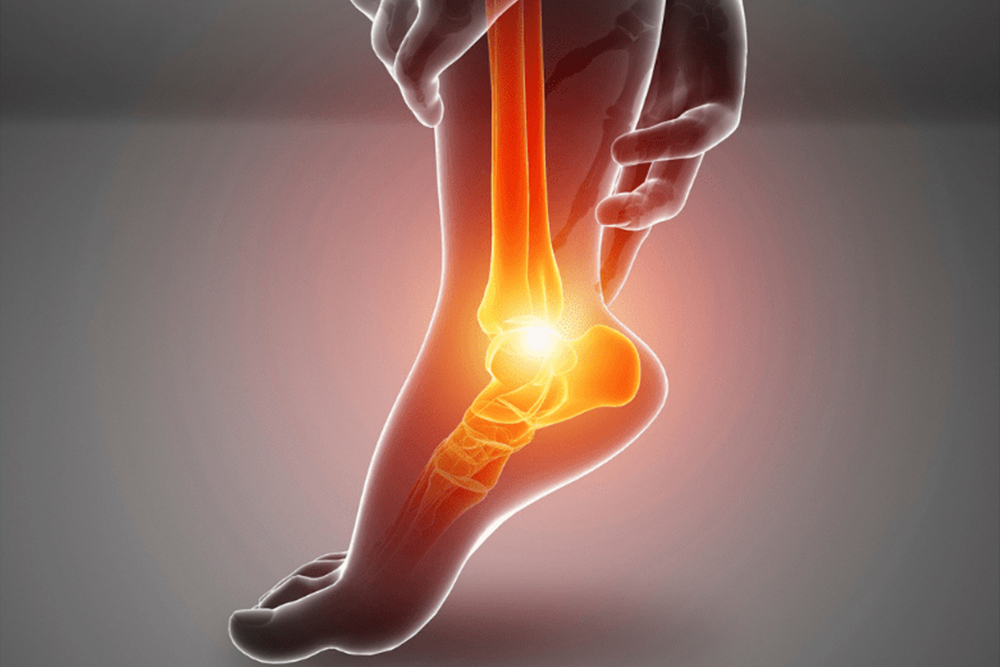
Plantar fasciitis is a painful and often debilitating condition that affects the foot and can significantly interfere with walking and daily activities. It occurs when the plantar fascia, a thick band of tissue that connects the heel bone to the toes, becomes inflamed.
This inflammation commonly causes sharp heel or foot pain, particularly with the first steps in the morning or after long periods of rest. Risk factors for plantar fasciitis include improper footwear, repetitive overuse, obesity, prolonged standing, and sudden increases in physical activity.
What Is Plantar Fasciitis Embolization?
Plantar fasciitis embolization (PFE) is a minimally invasive outpatient procedure designed to treat chronic plantar fasciitis that has not responded to conservative treatments.
During the procedure, a small catheter is inserted through a tiny incision in the leg and guided to the blood vessels supplying the inflamed plantar fascia. Targeted embolic agents are then delivered to reduce abnormal blood flow to the inflamed tissue. By decreasing this blood flow, inflammation and pain are significantly reduced.
Most patients experience long-lasting pain relief that can persist for many months or even years, without the need for major surgery or prolonged recovery time.
Types of Fibroids
Intramural Fibroids
Common type, grow within the muscular wall of the uterus, causing uterine enlargement.
Subserosal Fibroids
Create a bulge and pressure on surrounding organs on the uterus’s outer surface.
Submucosal Fibroids
Develop beneath the inner lining, protruding into the uterine cavity, leading to heavy menstrual bleeding.
Pedunculated Fibroids
Grow on a stalk inside or outside the uterus, causing symptoms based on location.
Symptoms of Uterine Fibroids
Menstrual Irregularities
Weighty and prolonged periods, longer or more frequent menstrual cycles, pelvic pressure or pain during periods.
Urinary and Digestive Issues
Frequent urination, difficulty emptying the bladder, constipation
Abdominal Changes
Growing stomach area
Pain and Discomfort
Pain in the stomach area or lower back, discomfort during sexual intercourse.
Serious Complications (Rare)
Sudden, severe pain if fibroids outgrow their blood supply and begin to die.
Benefits vs Risks
Like all medical procedures, plantar fasciitis embolization has both benefits and potential risks.
Benefits
- Minimally invasive with no major incisions
- No prolonged recovery period
- Return to normal daily activities within days
- Targeted treatment that addresses the underlying cause of pain
Risks
- Small risk of infection at the catheter access site
- Mild bruising or swelling in the treated area
- Temporary discomfort following the procedure, which usually resolves within a few days
FAQ
1. How to Prepare for Plantar Fasciitis Embolization?
Before your procedure, the team at Vascular and Interventional Partners will provide detailed preparation instructions. These may include:
Avoiding food and drink for several hours before the procedure, unless instructed otherwise
Wearing loose, comfortable clothing on the day of treatment
Avoiding lotions, creams, or powders on your feet and legs
Arranging for someone to drive you home after the procedure
The procedure is performed under local anesthesia with light sedation for comfort.
2. How long does the plantar fasciitis embolization procedure take?
The procedure typically takes less than one hour to complete. Because it is minimally invasive, most patients are able to return home the same day.
3. What is the typical recovery time after PFE?
Recovery time varies from patient to patient. Many individuals experience improvement in pain within a few weeks and are able to resume normal daily activities within a few days.
4. How long do the results of PFE last?
Plantar fasciitis embolization can provide long-lasting pain relief for many months or even years. The procedure addresses the underlying inflammation rather than simply masking symptoms.