What Is Peripheral Artery Disease?
Peripheral artery disease, commonly known as PAD, is a circulatory condition that reduces blood flow to the limbs and can cause mild, moderate, or severe pain, most often in the legs. It is a common condition. According to the Centers for Disease Control and Prevention, approximately 6.5 million people in the United States are affected by PAD.
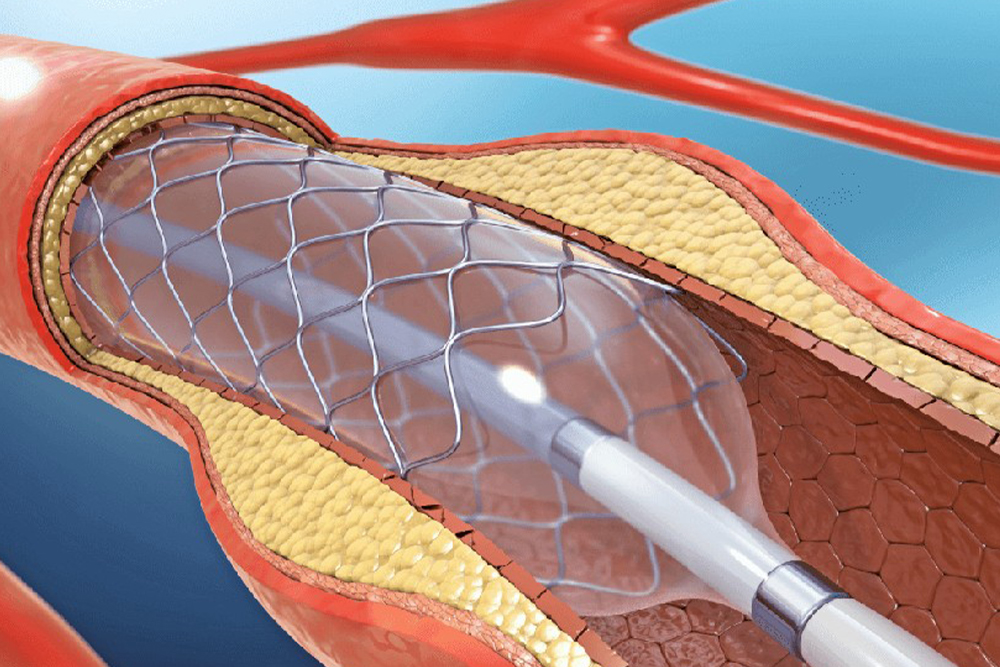
PAD develops due to the gradual buildup of plaque inside the arteries. Over time, fatty deposits narrow or block blood vessels, limiting the amount of oxygen-rich blood reaching muscles and tissues. This lack of oxygen is the primary cause of pain and discomfort associated with the disease.
What Causes Peripheral Artery Disease?
- History of smoking
- Diabetes
- Obesity
- High blood pressure
- High cholesterol
- Age over 50
- Family history of peripheral artery disease
- Elevated homocysteine levels
Even without these risk factors, PAD can still occur. Any new or persistent leg pain should be evaluated by a physician as soon as possible.
What Are the Symptoms of Peripheral Artery Disease?
- Arm pain during activities such as writing, typing, or other repetitive movements
- Slow-healing sores or ulcers on the legs, feet, or toes
- Numbness, tingling, or weakness in the limbs
- Cold sensation in the lower extremities
- Changes in skin color of the arms or legs
- Hair loss or slowed hair growth on the legs
- Shiny skin on the arms or legs
- Weak or absent pulse in the legs or feet
- Erectile dysfunction
- Cramping pain in the hips, thighs, or calves during walking
Benefits of Interventional Radiology Treatment for Peripheral Artery Disease
Precise
Interventional radiologists use advanced medical imaging to accurately identify narrowed or blocked arteries. This allows treatment to be delivered directly to the affected areas with a high level of precision.
Safe
Compared to open surgical procedures, interventional radiology treatments for PAD are associated with lower risk and fewer complications.
Convenient
Most IR procedures for PAD are performed on an outpatient basis, allowing patients to return home the same day.
Fast
IR treatments are typically completed in a short amount of time and offer significantly faster recovery compared to traditional surgery.
FAQ
1. How Is Peripheral Artery Disease Diagnosed?
Peripheral artery disease is diagnosed using a combination of clinical evaluation and diagnostic testing. In most cases, physicians rely on multiple tests to confirm the diagnosis and assess disease severity. The most commonly used diagnostic methods include physical examination, ankle brachial index testing, ultrasound, angiography, and blood tests.
Physical Examination
Many signs of PAD can be detected during a routine physical exam. These include weak or absent pulses, changes in skin color, coldness in the limbs, and the presence of slow-healing sores. In some cases, abnormal blood flow sounds can be detected using a stethoscope. If signs of PAD are present, additional testing is performed to confirm the diagnosis.
Ankle Brachial Index
The ankle brachial index compares blood pressure readings in the ankles to those in the arms. In a healthy individual, these values are similar. Lower blood pressure in the legs or arms may indicate reduced blood flow caused by arterial narrowing or blockage. This test also helps determine the severity of PAD.
Ultrasound
Ultrasound imaging allows physicians to evaluate blood flow within the arteries without invasive procedures. It can identify narrowed or blocked arteries and assess the extent of disease.
Angiography
Angiography involves injecting contrast dye into the blood vessels to visualize blood flow patterns. This can be performed using imaging alone or through catheter angiography, in which a small tube is inserted into an artery, typically through the groin.
Although catheter angiography is invasive, it allows physicians to treat blockages during the same procedure by widening the artery or administering medication to improve blood flow.
Blood Tests
Blood tests help identify risk factors for PAD, such as elevated cholesterol and triglyceride levels. They can also detect diabetes by measuring blood sugar levels, which significantly increases the risk of developing peripheral artery disease.
2. How Do We Treat Peripheral Artery Disease?
Treatment for PAD focuses on improving blood flow, relieving symptoms, and reducing the risk of complications. Treatment typically falls into three categories: medications, procedures, and supervised lifestyle modifications.
Medications
Medications are commonly used to manage conditions that contribute to PAD, including high cholesterol, high blood pressure, diabetes, and blood clot formation. Proper control of these conditions can improve symptoms and slow disease progression.
In some cases, medications may also be prescribed specifically to reduce pain and improve walking ability while longer-term treatment strategies are implemented.
PAD Treatment Procedures
Minimally invasive procedures such as angioplasty may be used to widen narrowed arteries and restore blood flow. In more severe cases, bypass surgery may be recommended. This involves creating an alternate pathway around the blocked artery using a synthetic or natural vessel.
If a blood clot is the cause of arterial blockage, thrombolytic therapy may be performed. This involves injecting medication directly into the artery to dissolve the clot and restore circulation.
Supervised Lifestyle Modifications
PAD should always be evaluated and managed by a physician, as it can lead to serious complications if left untreated. Once assessed, patients may be advised to make lifestyle changes to support treatment.
These may include increasing physical activity, adopting a heart-healthy diet, quitting smoking, and limiting alcohol intake. Lifestyle plans are tailored to each patient and guided by medical professionals.
3. How Can I Prevent Peripheral Artery Disease?
The most effective way to reduce the risk of PAD is to avoid smoking and maintain an active, healthy lifestyle. Engaging in at least 30 minutes of exercise several times per week helps keep blood vessels healthy.
Eating a balanced diet low in saturated fats and processed foods reduces the buildup of plaque in the arteries. Managing chronic conditions such as diabetes and high blood pressure is also essential. Keeping blood sugar and blood pressure within recommended ranges can significantly lower the risk of developing PAD and other cardiovascular diseases.