What Is Microwave Ablation?
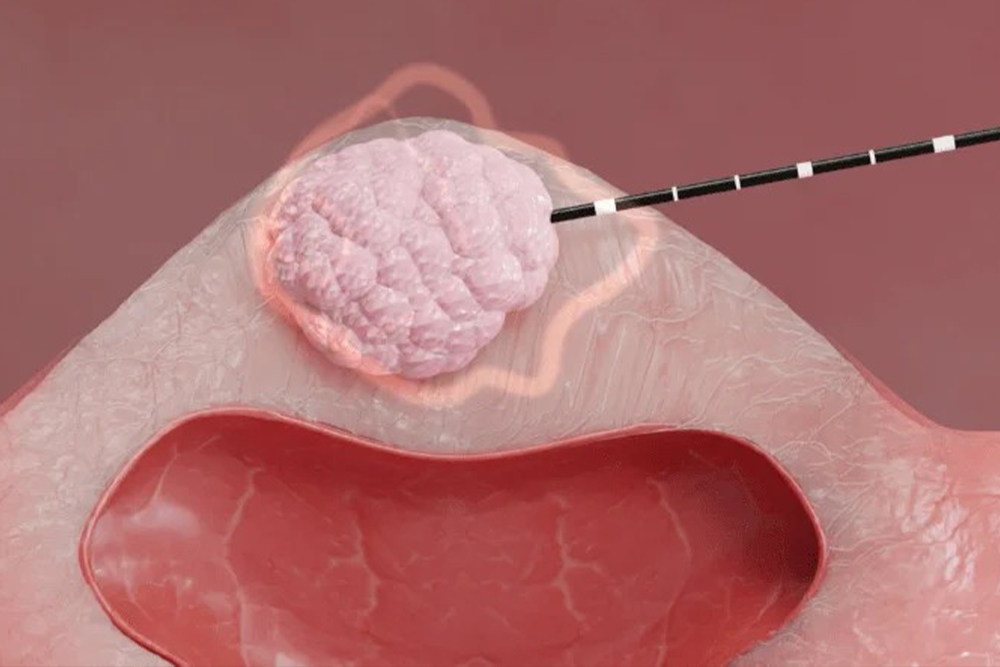
Microwave ablation is a minimally invasive treatment used to destroy abnormal tissue, most commonly tumors, using microwave energy. Microwave energy is a form of electromagnetic radiation that generates heat. When delivered into tissue, it rapidly heats water molecules within the tumor. Once the tissue reaches a sufficiently high temperature, the tumor cells are destroyed.
The term ablation refers to the intentional destruction of tissue. Microwave ablation therefore means destroying targeted tissue using controlled microwave energy.
What Does Microwave Ablation Treat?
Microwave ablation is primarily used to treat tumors. It is most commonly performed for cancers that originate in the liver or cancers that have spread to the liver from other parts of the body, such as colorectal cancer. In select cases, microwave ablation may also be used to treat tumors in other organs.
Types of Fibroids
Intramural Fibroids
Common type, grow within the muscular wall of the uterus, causing uterine enlargement.
Subserosal Fibroids
Create a bulge and pressure on surrounding organs on the uterus’s outer surface.
Submucosal Fibroids
Develop beneath the inner lining, protruding into the uterine cavity, leading to heavy menstrual bleeding.
Pedunculated Fibroids
Grow on a stalk inside or outside the uterus, causing symptoms based on location.
Symptoms of Uterine Fibroids
Menstrual Irregularities
Weighty and prolonged periods, longer or more frequent menstrual cycles, pelvic pressure or pain during periods.
Urinary and Digestive Issues
Frequent urination, difficulty emptying the bladder, constipation
Abdominal Changes
Growing stomach area
Pain and Discomfort
Pain in the stomach area or lower back, discomfort during sexual intercourse.
Serious Complications (Rare)
Sudden, severe pain if fibroids outgrow their blood supply and begin to die.
FAQ
1. Am I a Candidate for Microwave Ablation?
Microwave ablation is an option for many patients, with relatively few limitations. The best way to determine whether this treatment is appropriate is through a consultation with one of the physicians at Vascular and Interventional Partners.
During your initial visit, your medical history will be reviewed, imaging studies will be evaluated, and your treatment goals will be discussed. Based on this assessment, your care team will recommend the most suitable treatment plan. While microwave ablation is often an excellent choice, alternative therapies may be recommended if they better match your condition.
2. How Should I Prepare for Microwave Ablation?
Because microwave ablation is minimally invasive, preparation is typically simple. You may be asked to adjust or temporarily stop certain medications or supplements prior to the procedure. In some cases, blood work or additional testing may be ordered to ensure the procedure can be performed safely.
Your physician will provide detailed preparation instructions tailored to your individual needs.
3. What Should I Expect During a Microwave Ablation Procedure?
Microwave ablation is performed under local anesthesia with intravenous sedation or, in some cases, anesthesia care. Using imaging guidance such as CT or ultrasound, a thin probe is carefully inserted through the skin and positioned directly into the tumor.
Once the probe is correctly placed, microwave energy is delivered through the probe to heat and destroy the tumor tissue. After treatment is complete, the probe is removed, and the access tract is cauterized to reduce the risk of bleeding.
4. What Should I Expect During Recovery?
Most patients experience only mild discomfort after microwave ablation. Pain is usually minimal and can often be managed with over-the-counter medication such as acetaminophen. Recovery is generally quick, and many patients return to normal activities shortly after the procedure.
5. What Results Can I Expect from Microwave Ablation?
Microwave ablation is highly effective at destroying targeted tumors. Follow-up imaging, typically a CT scan or MRI, is performed about one month after the procedure to confirm that the tumor has been fully treated.