What Is IVC Filter Removal?
IVC filter removal is a minimally invasive procedure used to retrieve a previously implanted inferior vena cava filter. An IVC filter is a medical device placed in the inferior vena cava, a large vein in the abdomen, to prevent blood clots from traveling from the legs to the lungs and causing a pulmonary embolism in patients who cannot safely take anticoagulant medications.
Most modern IVC filters are retrievable and are designed to be removed once the risk of pulmonary embolism has passed. Removal is typically performed using the same interventional radiology techniques used during filter placement.
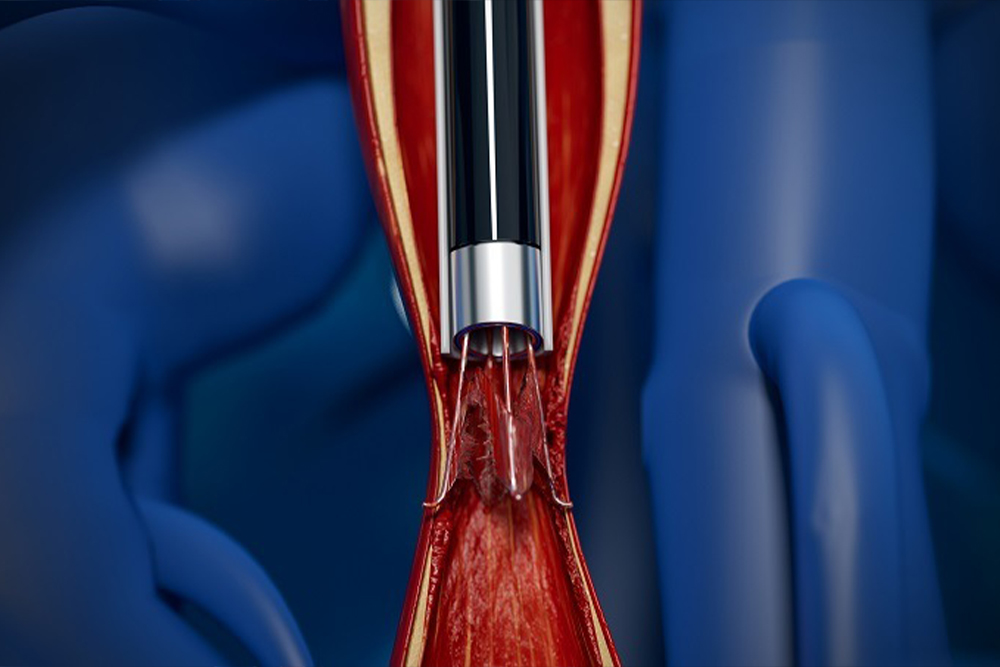
During the procedure, an interventional radiologist uses X-ray imaging, contrast dye, and specialized catheters to access the filter within the inferior vena cava. Most retrievable filters are designed with a small hook that allows the physician to securely grasp and remove the filter through a catheter.
In some patients, especially those whose filters have been in place for several years, advanced removal techniques may be required. These cases may involve specialized tools, general anesthesia, or a hospital-based procedure. The physicians at Vascular and Interventional Partners have extensive experience removing complex and long-standing IVC filters, including cases referred by other physicians when standard removal techniques are unsuccessful.
Benefits of IVC Filter Removal
Minimally invasive
IVC filter removal does not require large incisions or open surgery and is typically performed using small catheters and local anesthesia.
Outpatient convenience
Most IVC filters can be removed on an outpatient basis in an office-based interventional radiology suite. In rare cases, hospital admission may be necessary for safety or specialized equipment.
Lower risk than surgery
Compared to surgical retrieval, interventional radiology removal of an IVC filter is significantly safer and less invasive.
Quick recovery
Because the procedure involves only a small skin incision and minimal anesthesia, most patients return to normal activities within one to two days.
High success rate
Clinical studies show technical success rates of up to 97 percent for IVC filter removal, particularly when filters are removed in a timely manner.
FAQ
1. Is IVC filter removal considered major surgery?
No. IVC filter removal performed by an interventional radiologist is not major surgery. It is a minimally invasive procedure that uses imaging guidance and catheters to safely retrieve the filter. Most patients require only local anesthesia and mild sedation, and the procedure involves a very small skin puncture.
2. Does an IVC filter need to be removed?
In many cases, yes. The Food and Drug Administration recommends removing retrievable IVC filters within one to two months when it is medically safe. Leaving a filter in place longer than necessary may increase the risk of blood clots, filter fracture, or penetration of the vein wall. However, some older filters were designed to be permanent, and in certain patients the benefits of leaving the filter in place may outweigh the risks. Your physician will help determine what is best for your situation.
3. How is an IVC filter removed?
During IVC filter removal, you will lie on your back on a padded table in an interventional radiology suite. You will receive intravenous sedation and local anesthesia to keep you comfortable. Your physician will make a small puncture in a vein in the neck or thigh and guide a catheter to the inferior vena cava using X-ray imaging and contrast dye. The filter is then grasped and carefully removed through the catheter.
4. How long does IVC filter removal take?
Most standard IVC filter removal procedures take about 30 minutes. Additional time is needed for preparation and recovery. More complex cases, such as filters that have been in place for a long time, may take longer and can require advanced techniques.
5. Is IVC filter removal painful?
IVC filter removal is generally not painful. Local anesthesia numbs the access site, and sedation helps you relax during the procedure. You may feel mild pressure or a pulling sensation as the catheter is guided to the filter. Mild soreness at the access site for a few days afterward is common. In rare cases where removal is expected to be difficult, the procedure may be performed under general anesthesia in a hospital setting.
6. Can a permanent IVC filter be removed?
In some cases, yes. Even filters labeled as permanent and those that have been in place for many years can sometimes be removed using advanced minimally invasive techniques. However, there are situations where removal is not safe, and the filter must remain in place. Your physician will evaluate imaging studies to determine whether removal is possible.
7. What are the risks of IVC filter removal?
IVC filter removal is considered safe, and complications are uncommon. Possible risks include bruising or soreness at the access site, allergic reaction to contrast dye, or side effects from sedation. Rare complications include filter tilting, migration, or penetration of the vein or nearby structures. Your physician will discuss these risks with you prior to the procedure.