Hemorrhoidal Artery Embolization
Hemorrhoidal artery embolization (HAE) is a minimally invasive, nonsurgical alternative to traditional hemorrhoid treatments such as hemorrhoidal dearterialization. The procedure provides long-lasting symptom relief and has a high success rate. It may be performed on its own or in combination with hemorrhoid banding, which is typically carried out by a gastrointestinal specialist.
HAE is performed on an outpatient basis by specially trained interventional radiologists at Vascular and Interventional Partners in Scottsdale, Arizona. As a minimally invasive treatment, it carries low risk and requires minimal recovery time. For patients with internal hemorrhoids who continue to experience symptoms despite conservative or endoscopic treatments, HAE can significantly reduce bleeding episodes and improve overall quality of life.
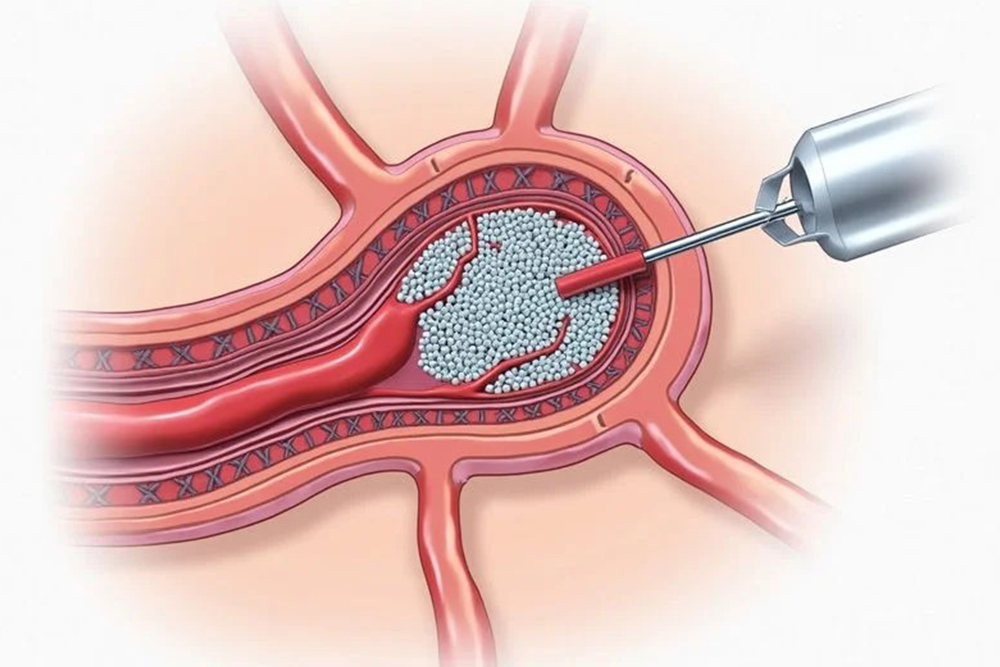
What Are Hemorrhoids?
The anal canal contains both internal and external blood vessels that help regulate blood flow. When these veins become enlarged and inflamed, they are referred to as hemorrhoids.
Hemorrhoids are classified as internal or external based on their location within the anal canal. Common symptoms include:
- Rectal bleeding
- Rectal pain or itching
- Swelling around the anus
- Fecal leakage
Many hemorrhoids resolve with lifestyle changes such as increased fiber intake, regular exercise, and topical treatments. However, chronic or severe internal hemorrhoids may require procedural intervention.
Types of Fibroids
Intramural Fibroids
Common type, grow within the muscular wall of the uterus, causing uterine enlargement.
Subserosal Fibroids
Create a bulge and pressure on surrounding organs on the uterus’s outer surface.
Submucosal Fibroids
Develop beneath the inner lining, protruding into the uterine cavity, leading to heavy menstrual bleeding.
Pedunculated Fibroids
Grow on a stalk inside or outside the uterus, causing symptoms based on location.
Symptoms of Uterine Fibroids
Menstrual Irregularities
Weighty and prolonged periods, longer or more frequent menstrual cycles, pelvic pressure or pain during periods.
Urinary and Digestive Issues
Frequent urination, difficulty emptying the bladder, constipation
Abdominal Changes
Growing stomach area
Pain and Discomfort
Pain in the stomach area or lower back, discomfort during sexual intercourse.
Serious Complications (Rare)
Sudden, severe pain if fibroids outgrow their blood supply and begin to die.
Benefits vs Risks
Like all medical procedures, hemorrhoidal artery embolization has both benefits and potential risks.
Benefits
- Nonsurgical treatment with no incisions, stitches, or general anesthesia
- Rapid recovery, with most patients resuming normal activities the next day
- Very low risk of infection and complications
- Minimal blood loss and little to no pain
- Can be combined with other hemorrhoid treatments if necessary
Risks
- Bruising or prolonged bleeding at the catheter insertion site
- Mild discomfort in the days following treatment
- Rare risk of kidney injury from contrast material, particularly in patients with preexisting kidney disease
FAQ
1. What Causes Hemorrhoids?
Hemorrhoids most commonly develop as a result of increased pressure in the rectum. Factors that contribute to this pressure include constipation, chronic diarrhea, straining during bowel movements, pregnancy, and obesity.
2. Who Is a Good Candidate for Hemorrhoid Embolization?
Hemorrhoid embolization is best suited for patients with grade 2 or grade 3 internal hemorrhoids who have not achieved adequate relief from conservative or endoscopic treatments. It is also an effective option for individuals who are not good candidates for major surgical procedures.
3. Who Is Not a Good Candidate for Hemorrhoid Embolization?
Patients with severe internal hemorrhoids classified as grade 4, those with hemorrhoidal complications, or individuals who have previously undergone colorectal surgery are generally not candidates for hemorrhoid embolization. Patients with anal fissures or known allergies to materials used during the procedure may also not be suitable for this treatment.
4. How Successful Is Hemorrhoid Embolization?
Hemorrhoid embolization has a high success rate. Approximately 90 percent of procedures are performed successfully without complications. About 80 percent of patients report significant improvement in symptoms following treatment.