What Is Frozen Shoulder?
Frozen shoulder, also known as adhesive capsulitis, is a condition in which the shoulder joint becomes stiff and painful due to inflammation and thickening of the joint capsule. Over time, this inflammation restricts movement and significantly limits range of motion. Frozen shoulder can take months or even years to resolve on its own.
The condition most commonly affects adults between the ages of 40 and 60 and is more frequently seen in individuals with diabetes, thyroid disorders, or those who have experienced prolonged shoulder immobility after surgery or injury.
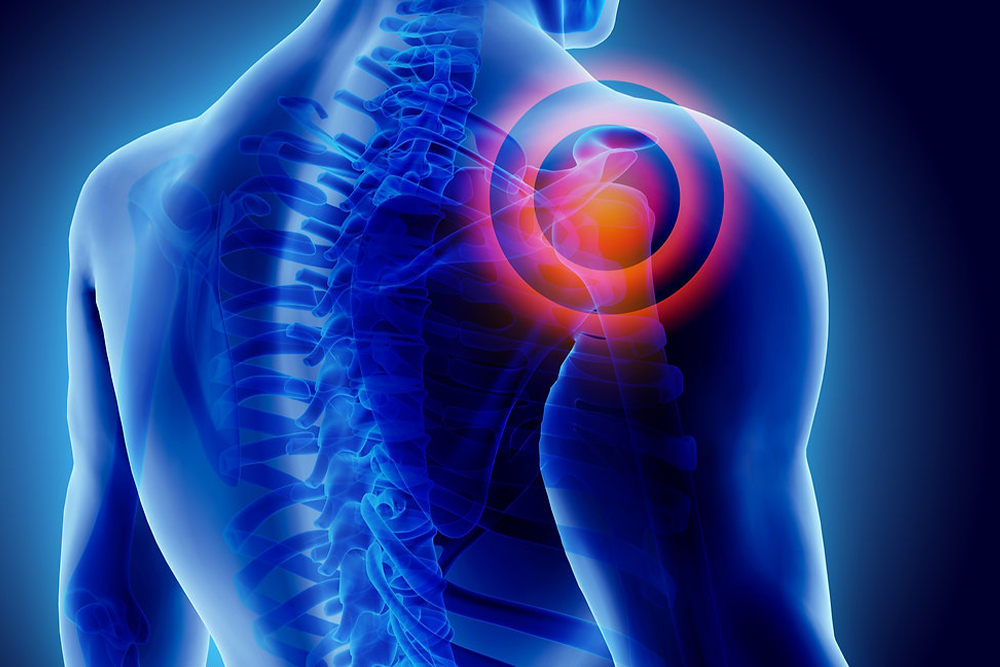
What Is Frozen Shoulder Embolization?
Frozen shoulder embolization (FSE) is a minimally invasive outpatient procedure designed to reduce shoulder pain and inflammation by targeting abnormal blood vessels that supply the inflamed shoulder joint capsule.
During the procedure, a small catheter is inserted under local anesthesia using X-ray guidance. Tiny microscopic beads are then delivered into the abnormal blood vessels to block them. This reduces excess blood flow and inflammation within the joint capsule, helping relieve pain and improve mobility.
The procedure typically takes between 60 and 90 minutes. Most patients are discharged the same day and experience minimal downtime.
Types of Fibroids
Intramural Fibroids
Common type, grow within the muscular wall of the uterus, causing uterine enlargement.
Subserosal Fibroids
Create a bulge and pressure on surrounding organs on the uterus’s outer surface.
Submucosal Fibroids
Develop beneath the inner lining, protruding into the uterine cavity, leading to heavy menstrual bleeding.
Pedunculated Fibroids
Grow on a stalk inside or outside the uterus, causing symptoms based on location.
Symptoms of Uterine Fibroids
Menstrual Irregularities
Weighty and prolonged periods, longer or more frequent menstrual cycles, pelvic pressure or pain during periods.
Urinary and Digestive Issues
Frequent urination, difficulty emptying the bladder, constipation
Abdominal Changes
Growing stomach area
Pain and Discomfort
Pain in the stomach area or lower back, discomfort during sexual intercourse.
Serious Complications (Rare)
Sudden, severe pain if fibroids outgrow their blood supply and begin to die.
Benefits vs Risks
Like all medical procedures, frozen shoulder embolization has potential risks, but for most patients, the benefits outweigh them.
Benefits
- Minimally invasive treatment with no large incisions or stitches
- Performed on an outpatient basis
- Performed on an outpatient basis
- Effective pain reduction for most patients
- Many patients experience significant improvement in shoulder range of motion
Risks
- Mild bruising or soreness at the catheter access site
- Rare allergic reaction to contrast dye
- Temporary numbness or tingling in the arm
- Infection or bleeding at the access site
- No guarantee of complete symptom resolution
FAQ
1. How do I prepare for frozen shoulder embolization?
Before the procedure, you will meet with an interventional radiologist at one of the Vascular and Interventional Partners locations in Arizona. Imaging studies such as an MRI or ultrasound may be performed to assess inflammation and identify abnormal blood vessels in the shoulder.
You may be instructed not to eat or drink for several hours prior to the procedure. On the day of treatment, wear comfortable clothing and arrange for someone to drive you home. The procedure is performed under local anesthesia with light sedation to keep you comfortable.
2. Do I need imaging before the procedure?
Yes. Imaging such as MRI or ultrasound is often required to confirm the diagnosis of frozen shoulder and to map the abnormal blood vessels that will be targeted during embolization.
3. When will I notice improvement in my shoulder pain?
Many patients experience pain relief within days to weeks after the procedure. Improvements in shoulder mobility often continue over time, especially when combined with physical therapy.
4. Is frozen shoulder embolization a replacement for physical therapy?
No. While embolization helps reduce pain and inflammation, physical therapy is often recommended afterward to restore range of motion and maximize long-term results.